Azul's Definitive Pivot: Gol Merger Out, US Airlines Invest, International Skies Ahead
In a significant strategic recalibration, Brazilian airline Azul S.A. has drawn a clear line in the sand, officially dismissing the long-speculated possibility of an Azul-Gol merger. This announcement, made by CEO John Rodgerson, signals a robust post-Chapter 11 resurgence for Azul, characterized by a leaner balance sheet, renewed focus on international expansion from 2027, and substantial strategic investments from major U.S. carriers, American Airlines and United Airlines.
The decision to put an end to discussions around an azul fusão gol comes on the heels of Azul's successful exit from Chapter 11 bankruptcy proceedings in the United States, a mechanism akin to judicial recovery in Brazil. This pivotal moment has not only reorganized Azul's financial structure but has also redefined its path forward, prioritizing independent growth and strategic partnerships over domestic consolidation.
A Definitive "No" to the Gol Merger: A Healthier Azul Emerges
For a period, the idea of an azul fusão gol captivated market observers, largely driven by the challenges both airlines, and indeed the entire aviation sector, faced during and post-pandemic. High indebtedness was a significant concern for many carriers, and a merger was often considered a potential solution for market consolidation and debt relief. However, Azul's CEO John Rodgerson has now unequivocally stated that a combination with Gol Linhas Aéreas is no longer on the table, citing a lack of necessity following Azul's successful Chapter 11 restructuring.
Rodgerson elaborated during a recent press conference that the merger was primarily an alternative considered when Azul faced significant financial pressures. With the successful completion of its judicial recovery process in the U.S., Azul has emerged financially revitalized. The company announced a remarkable reduction of approximately $1.1 billion in its loan and financing debts. Furthermore, its aircraft leasing obligations—a substantial operational cost for any airline—have seen a dramatic decrease of around 40%. This financial overhaul has left Azul with a significantly healthier balance sheet and a much lower level of leverage, fundamentally altering its strategic outlook.
"We came out of the process with less debt and a healthier company," Rodgerson affirmed. This stronger financial footing provides Azul with the autonomy and stability to pursue its growth ambitions independently. It signifies a shift from a defensive strategy, where a merger might have been seen as a necessary survival tactic, to an offensive one, where organic growth and targeted expansion are now viable and preferred avenues. A leaner, more agile Azul is better positioned to respond to market dynamics and invest in its future without the complexities and potential cultural integration challenges that a large-scale merger like the proposed azul fusão gol would entail.
US Airlines Bet Big: American and United's Strategic Investments
Further underscoring Azul's newfound strength and future potential are the significant strategic investments from two aviation giants: American Airlines and United Airlines. Both carriers have each committed $100 million, securing an 8% stake in Azul. While American Airlines' agreement still awaits approval from Brazil's Administrative Council for Economic Defense (CADE), these investments are a powerful vote of confidence in Azul's strategic direction and its future profitability.
These partnerships are more than just financial injections; they represent deep strategic alliances with far-reaching implications. For Azul, the capital infusion provides additional liquidity and strengthens its balance sheet, allowing for continued investment in fleet modernization and network expansion. More importantly, these alliances solidify its position as a key gateway to the Brazilian market for major U.S. carriers. American and United gain enhanced access to Azul's extensive domestic network, which is the largest in Brazil by number of cities served, potentially paving the way for expanded code-sharing agreements, seamless connections for passengers, and increased cargo opportunities.
For travelers, these partnerships can translate into more integrated travel experiences, potentially offering wider route options, simplified booking processes, and better loyalty program benefits when flying between Brazil and the United States. It's a clear signal that despite initial considerations of a domestic consolidation like the azul fusão gol, Azul's strategic focus is now firmly aligned with international collaboration, leveraging global airline ecosystems to enhance its offerings and market reach.
Charting a Course for Global Skies: International Expansion from 2027
With its financial house in order and strong international backing, Azul is now setting its sights firmly on expanding its global footprint. While 2026 will be dedicated to crucial operational reorganization and fleet modernization, CEO John Rodgerson announced that significant growth in international routes is slated to commence from 2027 onwards. This measured approach ensures that expansion is built on a solid, sustainable foundation.
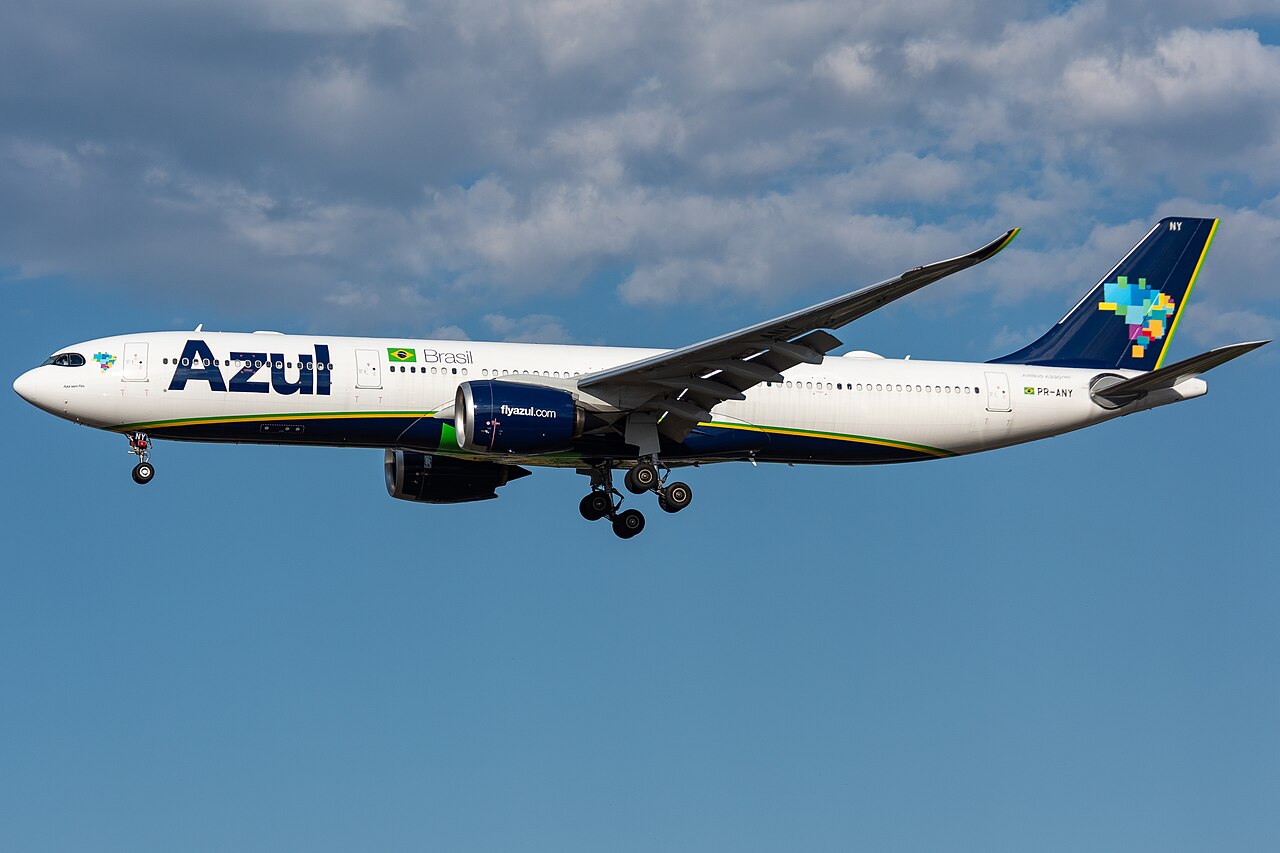
The core of this preparation involves a comprehensive fleet transition. In the coming months, Azul will receive two brand-new, factory-direct A330neo aircraft, known for their superior fuel efficiency and passenger comfort. Simultaneously, the airline will systematically return older, higher-cost leased aircraft, a process expected to take about six months. This shift to newer models is projected to result in lower operational costs, boosting Azul's competitive edge on long-haul routes. Beyond long-range jets, Azul will continue to bolster its regional fleet by receiving five to six Embraer aircraft annually and reactivating three previously grounded planes, bringing its current active fleet of 175 aircraft to peak operational efficiency.
Azul already operates a robust network of international flights to destinations in the United States and Europe, alongside South American routes like Montevideo and seasonal services to Bariloche. The strategy for 2027 and beyond is to leverage this modernized and cost-efficient fleet to explore new international markets and deepen its presence in existing ones. This could mean more frequent flights, new direct routes to popular or underserved destinations, or enhanced connectivity through its U.S. airline partners. For travelers, this signals exciting prospects for more diverse and potentially more affordable international travel options from Brazil. Keeping an eye on Azul's announcements from 2027 onwards will be key for those planning international trips. For more detailed insights into this expansion, read our article: Azul Charts 2027 International Expansion After Chapter 11 Recovery.
The Road Ahead: Operational Reorganization and Sustainable Growth
The year 2026 is designated as a period of intensive operational reorganization for Azul. This isn't merely a pause but a strategic investment in the airline's future resilience and capacity for growth. The focus will be on seamlessly integrating new aircraft into the fleet, optimizing the route network, and refining operational procedures. This meticulous preparation is vital for ensuring that when international expansion begins in 2027, it does so with maximum efficiency and financial security.
The airline industry is notoriously complex, with thin margins and high operational costs. Azul's emphasis on replacing older, high-cost leased aircraft with new, more fuel-efficient models directly addresses a major cost center. This not only reduces ongoing expenses but also minimizes environmental impact, aligning with global trends towards more sustainable aviation. Furthermore, reorganizing the network means optimizing flight schedules, improving connectivity, and potentially identifying new domestic hubs that can feed into future international routes. This internal refinement will ensure that Azul is not just growing but growing smartly and profitably.
For industry observers and investors, this strategic approach highlights Azul's commitment to sustainable growth rather than rapid, potentially unstable expansion. It demonstrates a disciplined management team focused on long-term value creation, leveraging the lessons learned from its Chapter 11 process. This period of consolidation and preparation is critical for building a robust foundation that can support aggressive international expansion without compromising financial stability. The rejection of the Azul-Gol merger and the subsequent focus on internal strengthening reflect a mature and confident strategy for navigating the dynamic aviation landscape.
Conclusion
Azul's recent announcements mark a definitive turning point for the Brazilian airline. By firmly closing the chapter on a potential azul fusão gol, the company signals a strong belief in its independent trajectory. Bolstered by a leaner financial structure post-Chapter 11 and significant strategic investments from American Airlines and United Airlines, Azul is poised for a new era of growth. The strategic focus on fleet modernization and operational optimization in 2026 sets the stage for ambitious international expansion from 2027. This confident pivot not only redefines Azul's competitive position in the Brazilian market but also solidifies its role as an increasingly important player in the global aviation landscape, offering exciting prospects for both the company and its passengers.