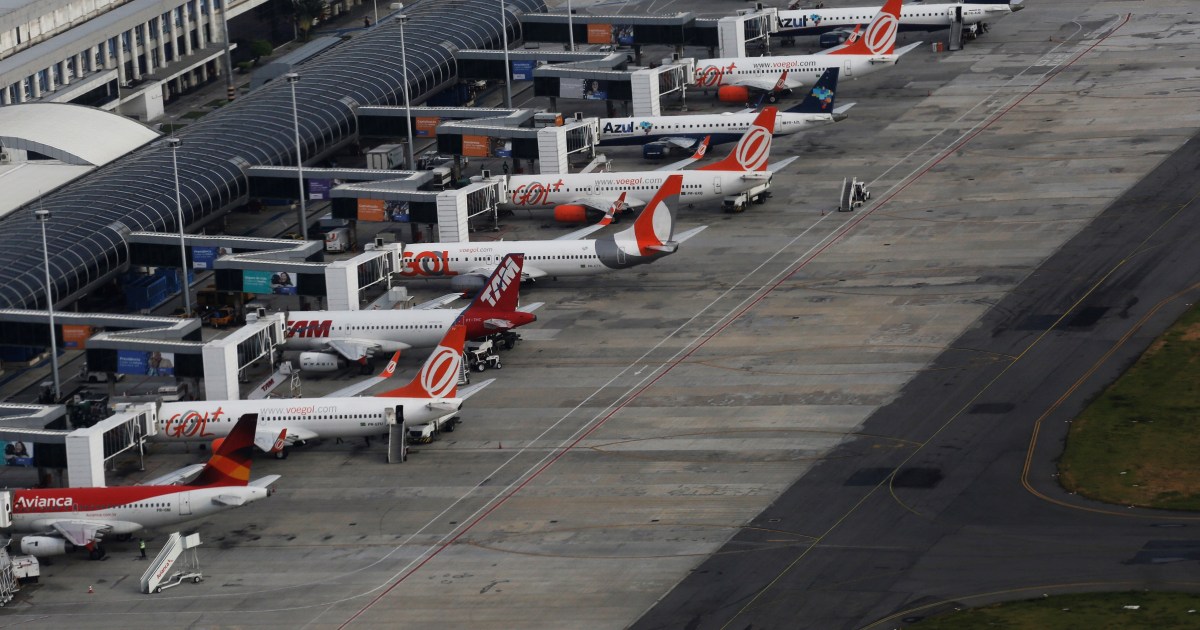
Azul Charts an Independent Course: Rejecting Gol Merger and Eyeing International Skies Post-Chapter 11 Triumph
In a strategic announcement that has sent ripples through the Brazilian aviation sector, Azul Linhas Aéreas Brasileiras has unequivocally stated its rejection of any potential merger with rival Gol. Emerging remarkably robust from its Chapter 11 restructuring in the United States, Azul is now firmly setting its sights on an ambitious international expansion strategy, slated to commence in earnest from 2027. This pivotal decision, articulated by CEO John Rodgerson, signals a new era of self-reliance and global ambition for the airline, driven by a significantly strengthened financial position and a modernized fleet.
The notion of an Azul Gol merger has been a recurring topic of speculation, particularly given the challenging landscape the airline industry has navigated in recent years. However, Rodgerson's recent press conference put an emphatic end to these discussions, asserting that a combination of the two carriers is simply "not on the table." This stance stems directly from Azul's successful navigation of its Chapter 11 process, which has left the company leaner, healthier, and with a clear path forward that prioritizes organic growth and strategic alliances over consolidation.
A Resilient Recovery: Azul Emerges Stronger from Chapter 11
Azul's journey through Chapter 11, a mechanism akin to judicial reorganization in Brazil, concluded in less than nine months – a testament to the company's diligent restructuring efforts and market confidence. This crucial period enabled Azul to significantly reduce its financial liabilities, transforming its balance sheet and operational outlook. According to company statements, the process resulted in a staggering $1.1 billion reduction in loan and financing debts, alongside an impressive 40% decrease in aircraft lease obligations. These substantial savings have not only stabilized the airline but have also provided the necessary financial runway for future growth initiatives.
CEO John Rodgerson highlighted this transformation, stating that Azul exited the process "a lot healthier" than when it entered. Prior to Chapter 11, an Azul-Gol merger might have been considered a viable solution to combat high indebtedness and consolidate market share. However, with its new, de-leveraged balance sheet and improved liquidity, Azul no longer perceives a strategic necessity for such a combination. "We left the process with smaller debt and a healthier company," Rodgerson affirmed, underlining the confidence in Azul's independent trajectory.
This financial resilience is not merely theoretical; it underpins Azul's capacity to invest in its future, from fleet modernization to network expansion. For travelers, a financially robust airline often translates to greater reliability, better service, and the potential for new routes. For investors, it signifies a company with a solid foundation and reduced risk profile, poised for sustainable long-term value creation.
Strategic Fleet Modernization: The Engine for International Ambitions
Central to Azul's revamped strategy is a comprehensive fleet modernization program, meticulously planned to enhance operational efficiency and reduce costs. The airline is currently undergoing a significant transition throughout 2026, which involves both receiving state-of-the-art aircraft and phasing out older, less efficient models. This strategic refresh is a critical precursor to its international growth aspirations.
- A330neo Deliveries: Azul is set to receive two new, factory-fresh A330neo wide-body jets in the coming months. These aircraft are renowned for their fuel efficiency, extended range, and enhanced passenger comfort, making them ideal for long-haul international routes.
- Retirement of Older Aircraft: Simultaneously, the airline will return older aircraft that carry higher leasing costs and operational expenses. This strategic swap, expected to unfold over approximately six months, will result in significant cost savings due to the lower operating costs of the new generation models.
- Continued Embraer Deliveries: Beyond long-haul jets, Azul will continue to bolster its regional and domestic network with five to six new Embraer aircraft annually. These jets are crucial for maintaining its extensive regional footprint across Brazil.
- Reactivation of Grounded Aircraft: In a further move to optimize its fleet, Azul plans to reactivate three aircraft that were previously grounded due to technical issues, bringing its active fleet count back to a strong 175 aircraft.
This fleet renewal is not just about new planes; it's about building a sustainable, cost-effective operational backbone. A modern, fuel-efficient fleet not only reduces operational expenditures but also significantly lowers carbon emissions, aligning with global environmental objectives. This commitment to efficiency ensures that when Azul Charts 2027 International Expansion After Chapter 11 Recovery, it does so with a competitive edge.
Charting the Course: International Expansion from 2027 Onwards
With its financial house in order and a modernized fleet on the horizon, Azul is poised to reignite its international growth strategy. While 2026 will be dedicated to operational reorganization, fleet substitution, and network optimization, the airline has earmarked 2027 as the year for a renewed push into global markets.
"We will continue growing internationally, but this will be more from 2027, not in 2026," Rodgerson confirmed. This phased approach underscores Azul's commitment to calculated and financially sound expansion. The current year's focus is on preparing the company to expand with "financial security," ensuring that future growth is built on a solid, sustainable foundation.
Azul already operates successful international routes to key destinations in the United States and Europe, alongside flights to Montevideo and seasonal services to Bariloche. The upcoming expansion from 2027 could see the airline:
- Expanding existing routes: Increasing frequencies or capacity on popular international services.
- Launching new destinations: Exploring underserved markets in North America, Europe, or even new regions.
- Deepening partnerships: Leveraging alliances to offer seamless connectivity to a wider global network.
This deliberate, long-term approach allows Azul to meticulously plan its international network, secure necessary slots, and build brand awareness in new markets, rather than rushing into expansion without adequate preparation.
Strategic Alliances: A Boost from US Airline Giants
Further validating Azul's independent strategy and future potential are the significant investments from two major US carriers: American Airlines and United Airlines. Each of these airlines has committed $100 million, securing an 8% stake in Azul. While American Airlines' agreement still awaits approval from Brazil's Administrative Council for Economic Defense (Cade), these investments represent more than just capital infusion.
They signify a vote of confidence from leading global players in Azul's business model and strategic direction. Such alliances typically foster:
- Enhanced Connectivity: Strengthened codesharing agreements, allowing passengers to seamlessly connect between Azul's extensive Brazilian network and the vast global networks of American and United.
- Market Access: Improved access to new markets and passenger bases for all parties involved.
- Operational Synergies: Potential for collaboration in areas such as loyalty programs, ground handling, and maintenance, leading to efficiencies.
These partnerships provide Azul with critical financial backing and strategic advantages, bolstering its position against competitors like Gol and LATAM, and supporting its international growth agenda without the need for an Azul Gol merger.
The Broader Market Impact and Future Outlook
Azul's definitive rejection of a merger with Gol, coupled with its post-Chapter 11 resurgence and international growth plans, has significant implications for the Brazilian aviation landscape. It reinforces a competitive market structure, where three major players – Azul, Gol, and LATAM – vie for market share, potentially benefiting consumers through greater choice and competitive pricing.
For travelers, Azul's renewed focus on international expansion means the promise of more direct routes, improved service quality on long-haul flights with new aircraft, and potentially more competitive fares as the airline seeks to establish its global footprint. The strategic alliances with American and United Airlines also open up a broader range of connecting flights to various destinations worldwide, enhancing Brazil's global connectivity.
From an industry perspective, Azul's successful turnaround and independent growth trajectory serve as a powerful case study in strategic restructuring and market adaptation. It underscores the importance of financial discipline and fleet modernization in navigating a volatile industry. With a clearer vision and a stronger balance sheet, Azul is not merely recovering; it is actively shaping its future as a formidable independent player in both domestic and international skies.
Conclusion
Azul Linhas Aéreas Brasileiras has emphatically closed the chapter on Azul Gol merger discussions, instead choosing a confident, independent path forward. Emerging from Chapter 11 with significantly reduced debt and a revitalized operational structure, the airline is poised for substantial international expansion beginning in 2027. Backed by strategic investments from American and United Airlines and driven by a modern, efficient fleet, Azul is meticulously preparing to strengthen its global presence. This strategic pivot marks a new era for Azul, transforming it from a company once considering consolidation into a resilient, growth-oriented leader in the global aviation market.